Are you confused about the difference between a W9 form and a W2 form? It’s a common question, especially for those new to the workforce or self-employment. Let’s break it down in simple terms for you.
First off, a W9 form is typically used by freelancers, independent contractors, and other self-employed individuals. When you fill out a W9 form, you’re providing your taxpayer identification number (TIN) to the company that is paying you. This form is used for tax reporting purposes.
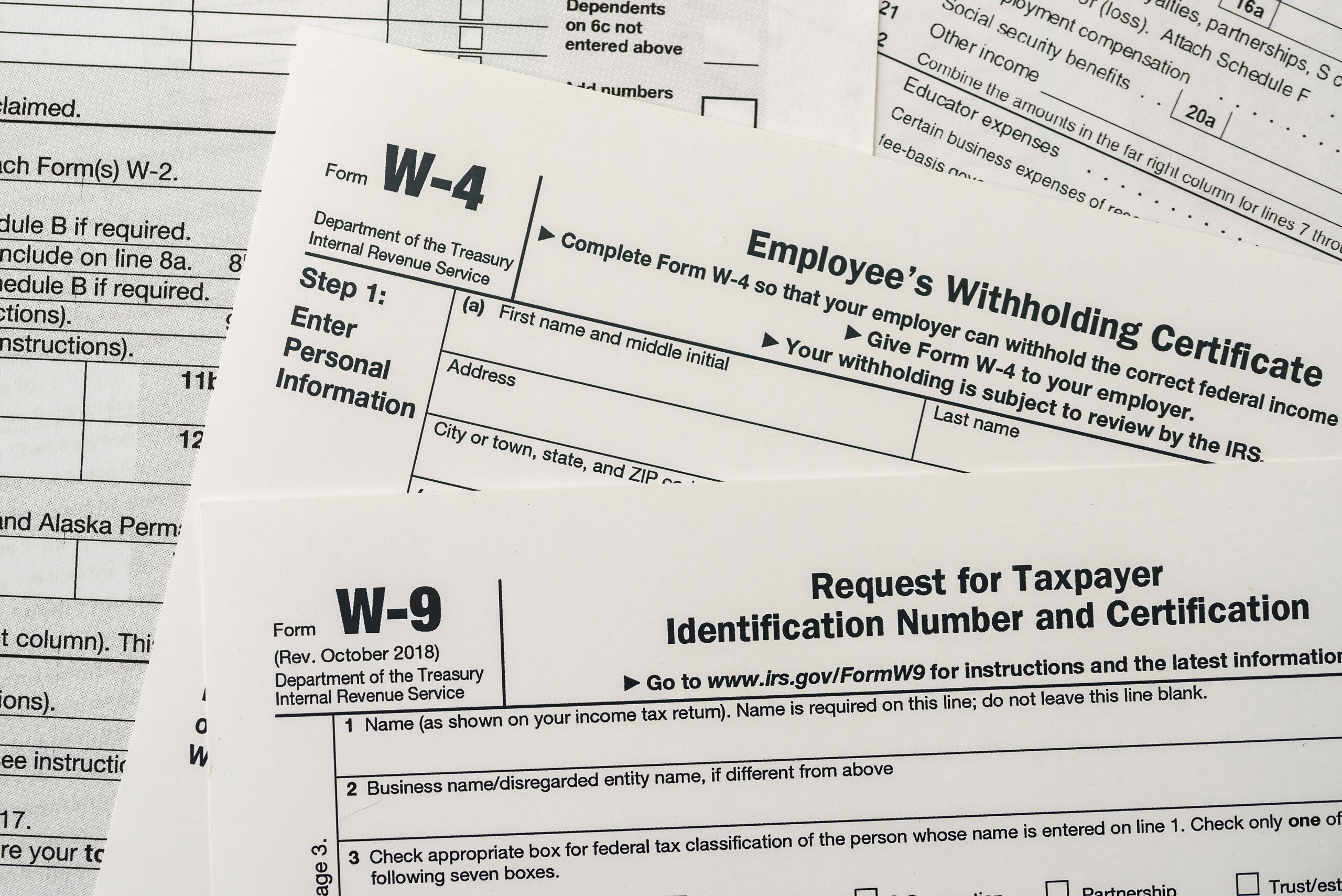
W9 Form Vs W2
W9 Form Vs W2: What’s the Difference?
On the other hand, a W2 form is used by employers to report wages paid to employees and the taxes withheld from their paychecks. If you’re an employee, you’ll receive a W2 form from your employer at the end of the year to use when filing your taxes.
So, in simple terms, if you’re self-employed, you’ll likely need to fill out a W9 form. If you’re an employee, you’ll receive a W2 form from your employer. It’s important to understand which form applies to your situation to ensure proper tax reporting.
Remember, both forms are important for tax purposes, so make sure you keep track of them and use them correctly when filing your taxes. If you have any questions or need clarification, don’t hesitate to reach out to a tax professional for guidance.
In conclusion, understanding the difference between a W9 form and a W2 form is essential for anyone navigating the world of taxes and employment. By knowing which form applies to your situation, you can ensure that you stay compliant with tax laws and regulations. If you’re ever unsure, seek guidance from a tax expert to avoid any potential pitfalls.
W 9 Vs W 2 Understanding The Difference In Tax Forms
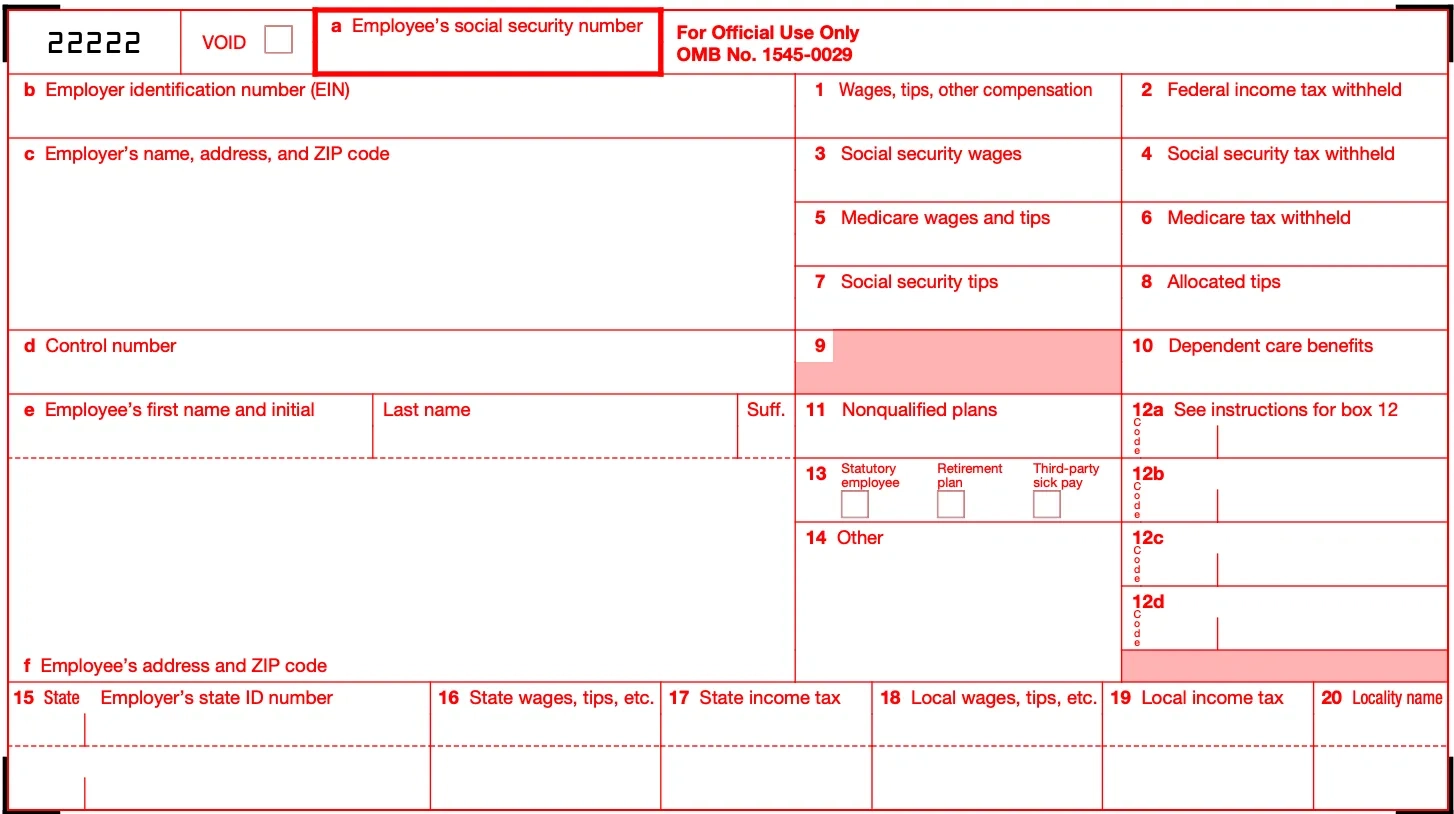
Key Differences Between Form W 2 And Form W 9
W2 Vs W9 What s The Difference Tax Filing Guide
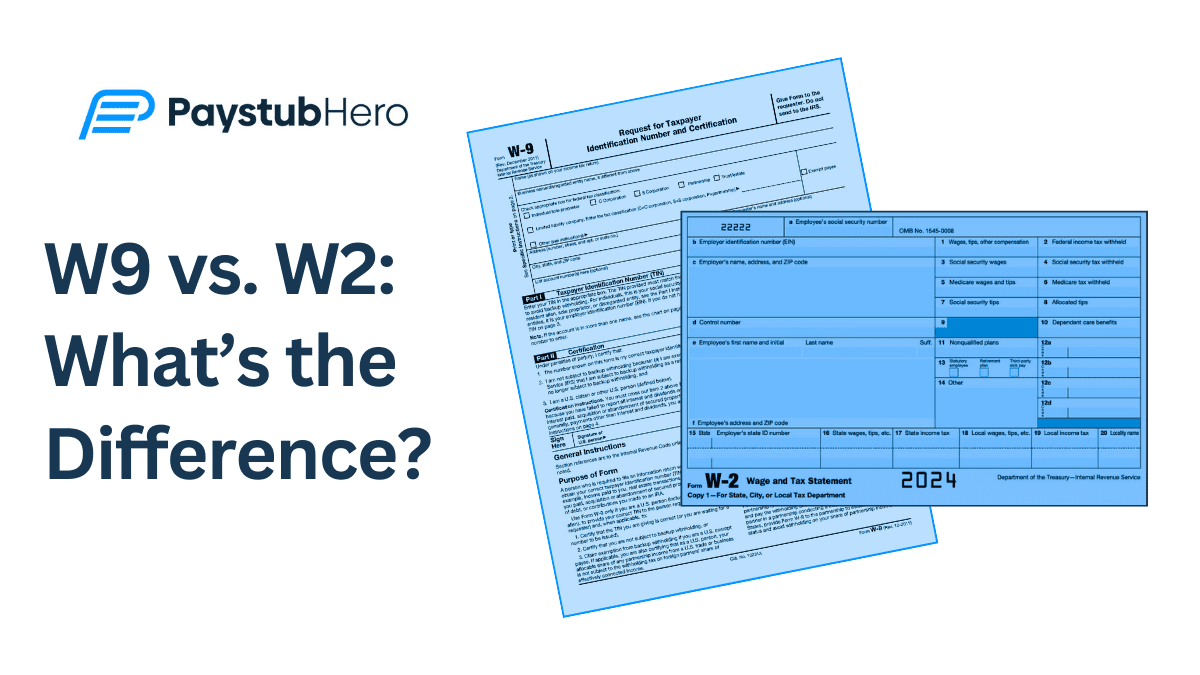
W 9 Vs W 2 What s The Difference Paystub Hero
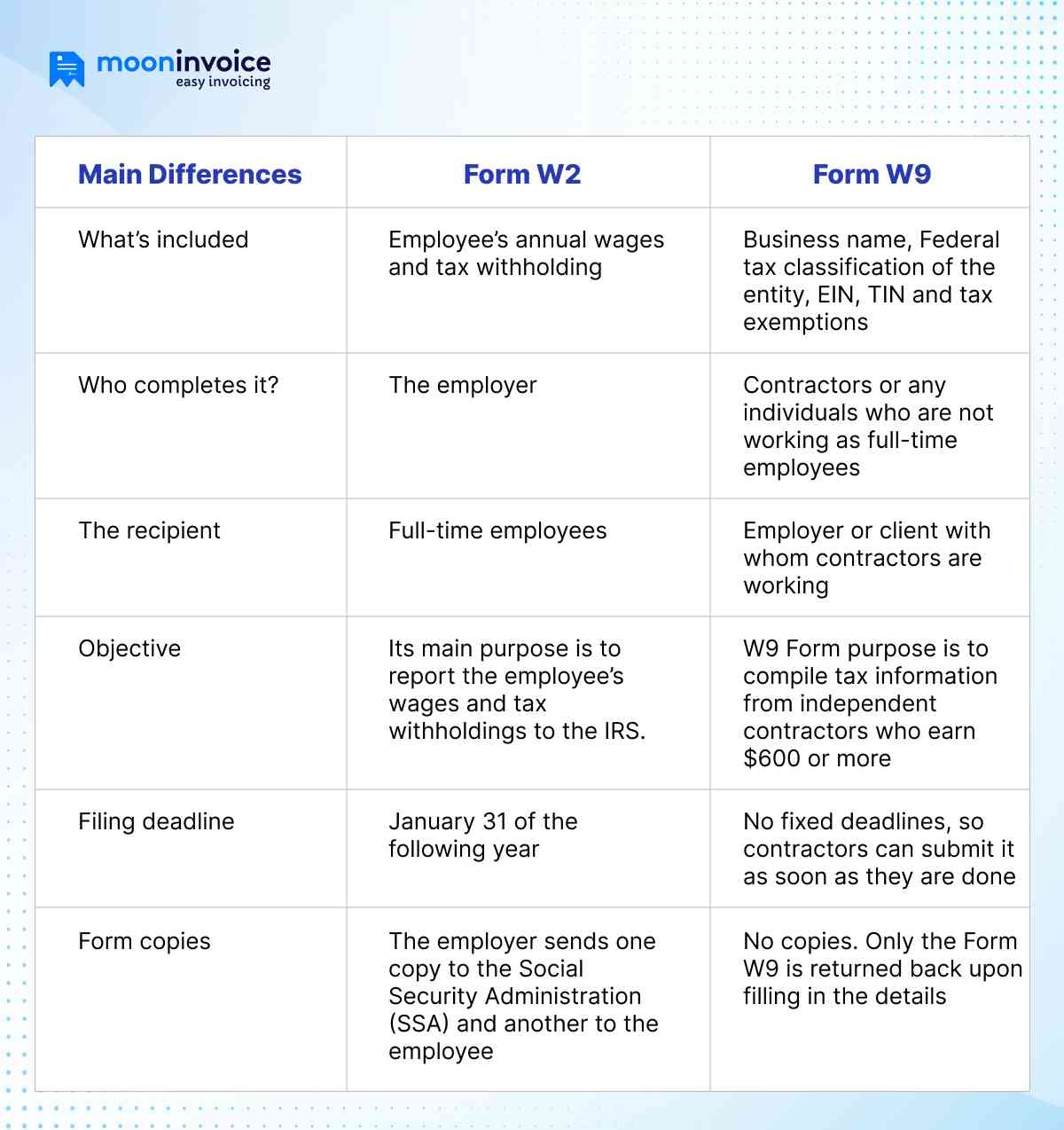
W2 Vs W9 What s The Difference Tax Filing Guide