Polar coordinates and graphs are a unique way of representing the position of a point in a plane. Instead of using the traditional x and y coordinates, polar coordinates use distance and angle.
Distance is measured from the origin, while the angle is measured counterclockwise from the positive x-axis. This system allows for a more intuitive way of describing circular and radial patterns.
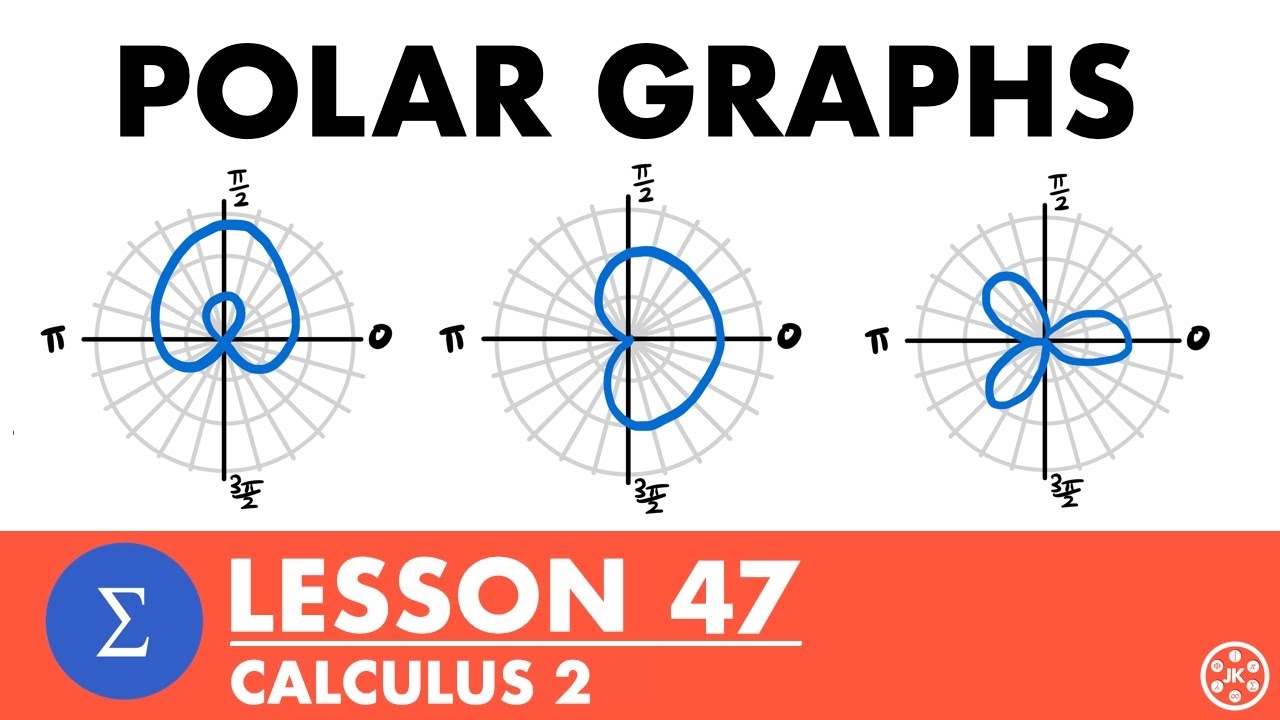
Polar Coordinates And Graphs
Polar Coordinates And Graphs
When graphing in polar coordinates, the distance from the origin is represented by the radius, and the angle is represented by theta. This allows for the plotting of curves like circles, cardioids, and spirals with ease.
Converting between polar and rectangular coordinates involves using trigonometry formulas to find the x and y components based on the given radius and angle. This conversion is essential for solving complex problems in physics, engineering, and mathematics.
One advantage of using polar coordinates is their ability to simplify complex geometric shapes and equations. By utilizing the unique properties of polar graphs, intricate patterns and curves can be easily visualized and analyzed.
Overall, polar coordinates and graphs offer a fresh perspective on geometry and trigonometry, providing a new way to approach mathematical concepts. So next time you encounter a circular or radial problem, consider using polar coordinates for a clearer understanding.
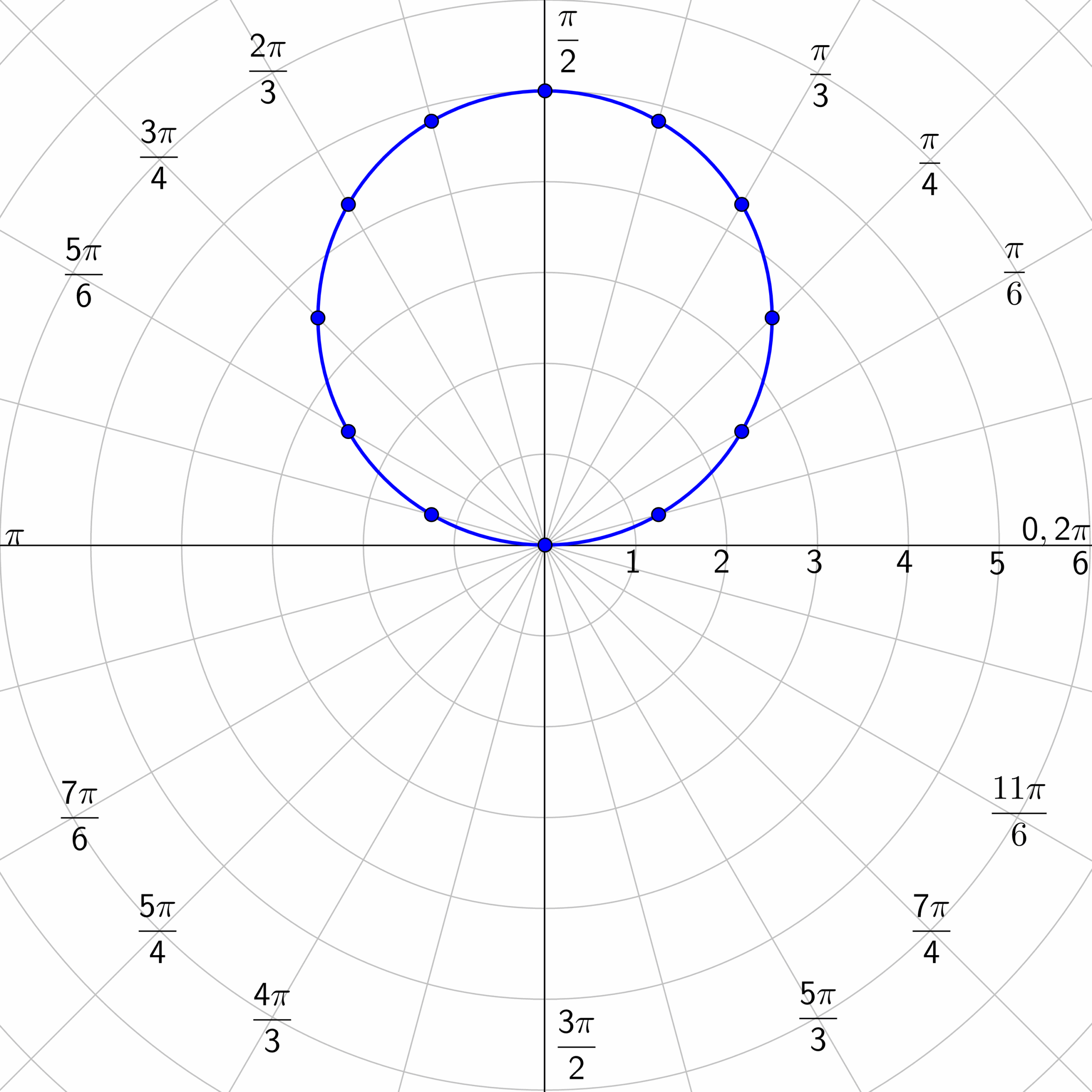
7 08 Graphs Of Polar Equations
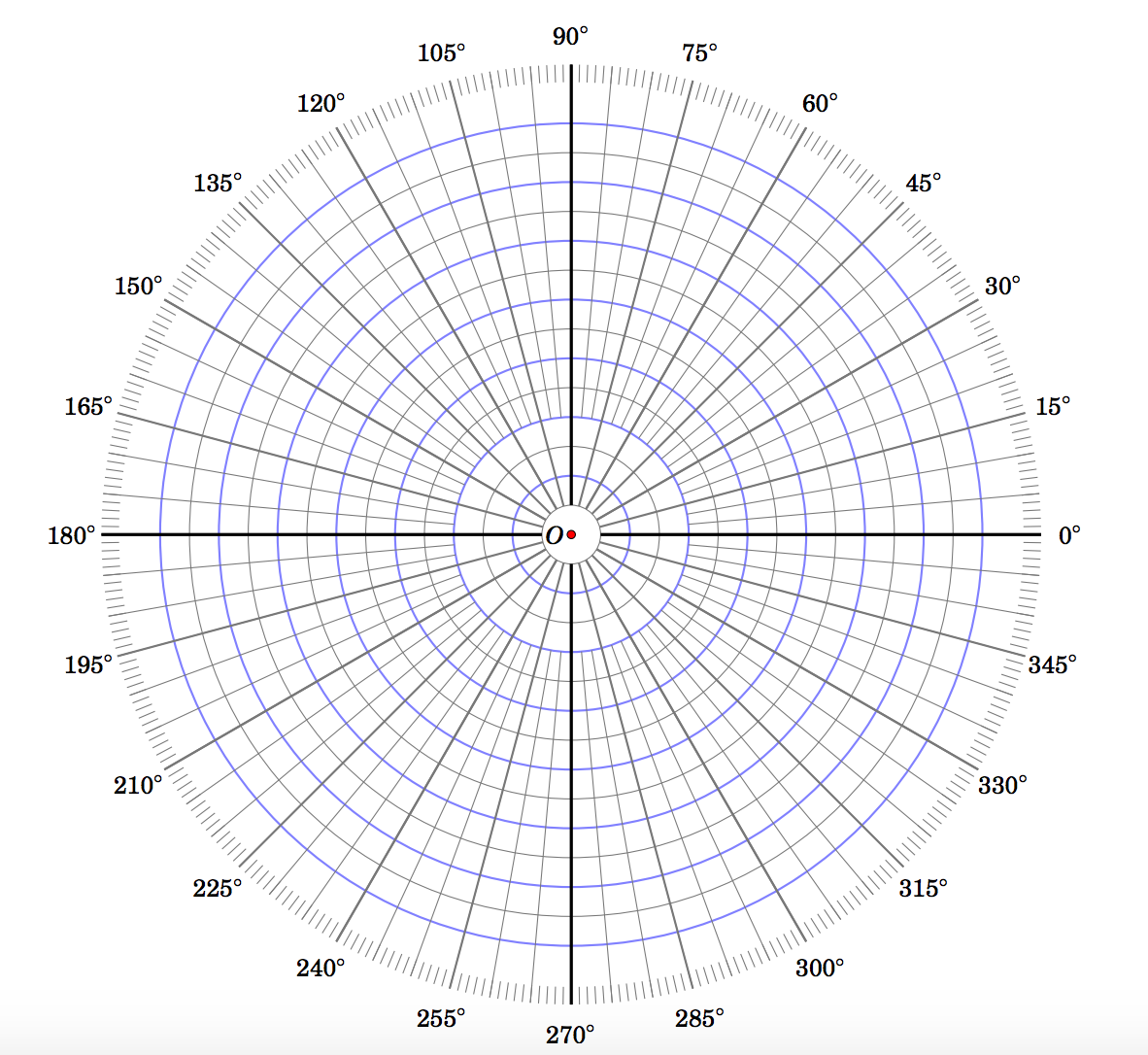
6 4 Polar Coordinates Mathematics LibreTexts
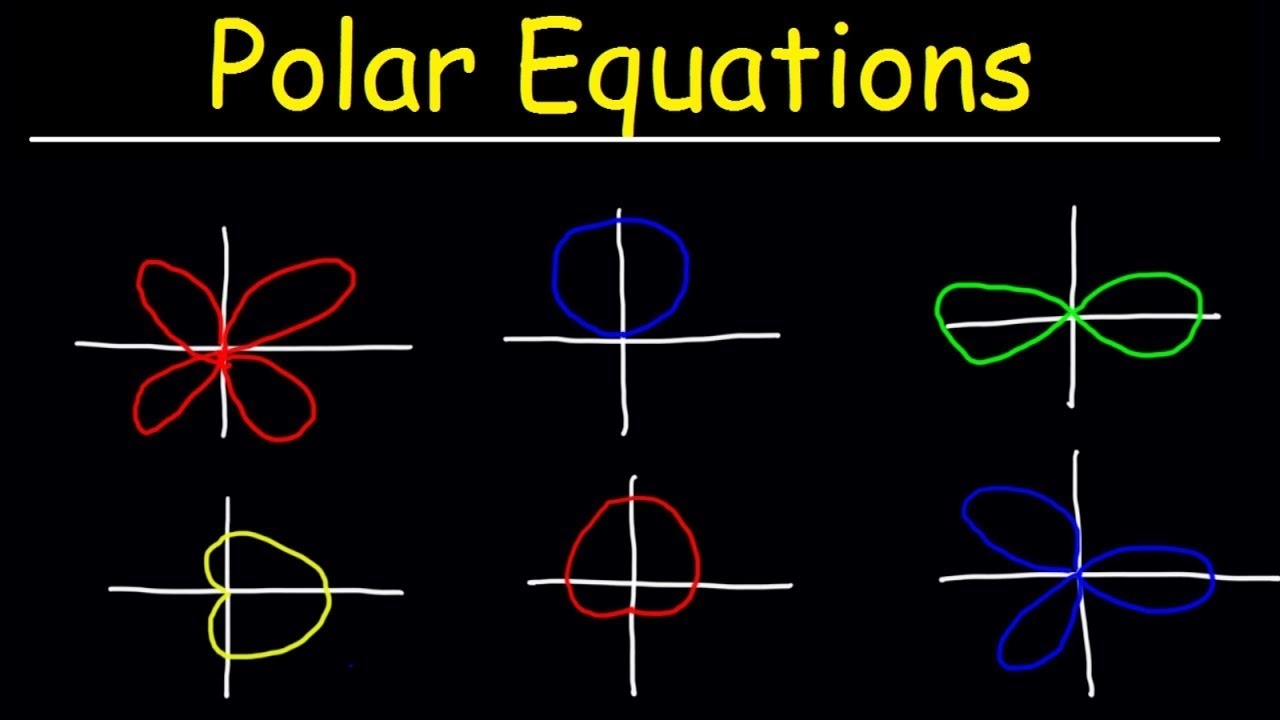
How To Graph Polar Equations
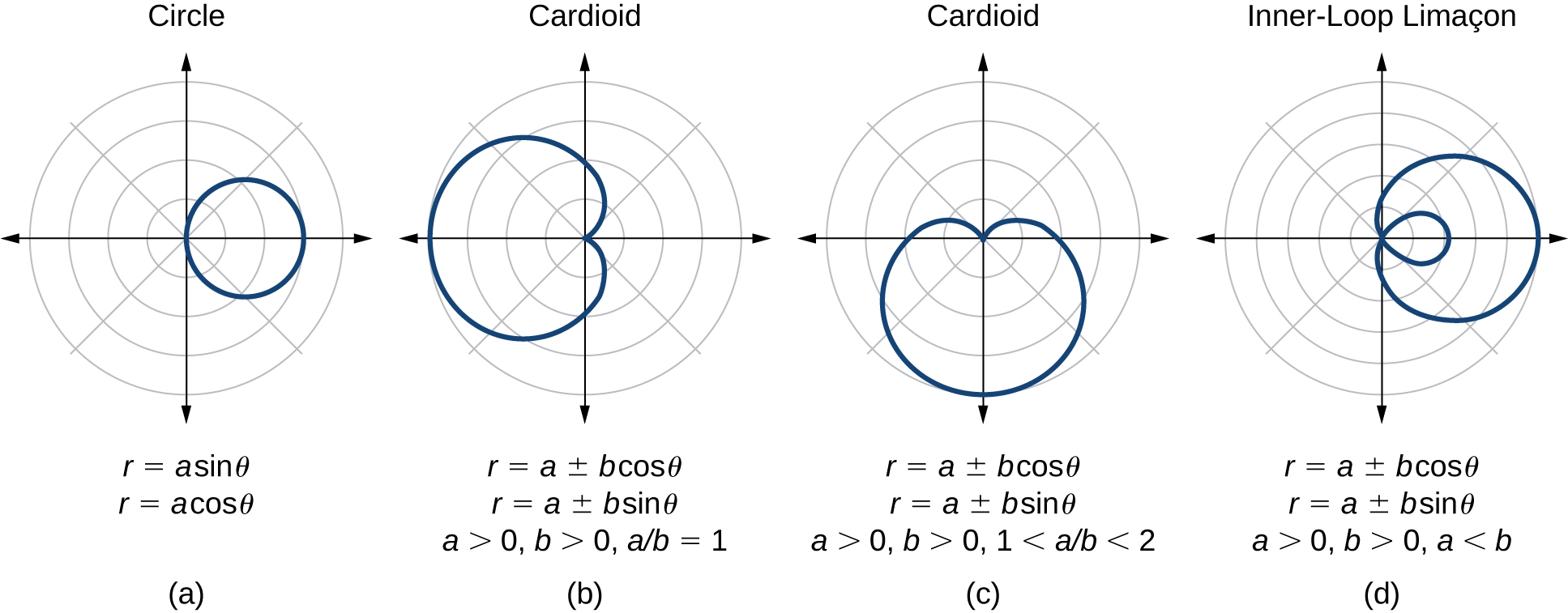
8 5 Polar Coordinates Graphs Mathematics LibreTexts
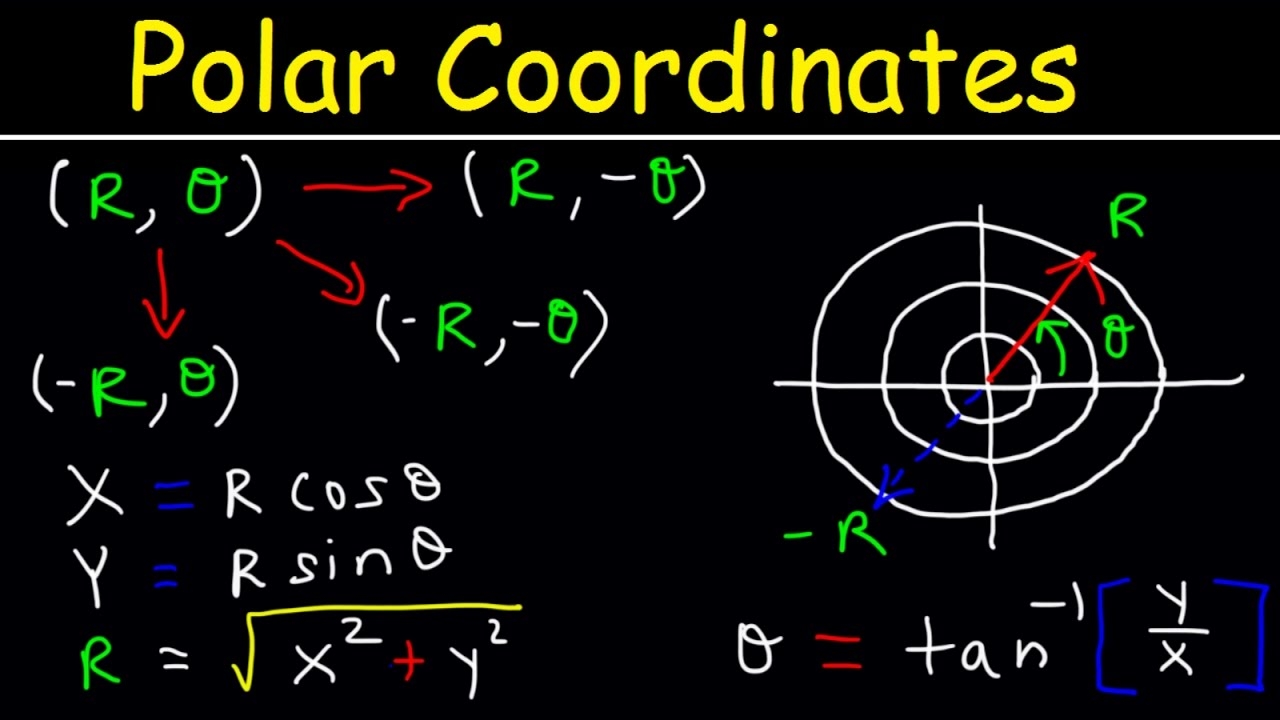
Polar Coordinates Basic Introduction Conversion To Rectangular How To Plot Points Negative R Valu