Are you planning your estate and want to ensure your assets are properly distributed after you’re gone? Understanding the IRS Form 706, also known as the United States Estate (and Generation-Skipping Transfer) Tax Return, is crucial for estate planning.
When it comes to taxes, Form 706 is used to calculate the estate tax owed on the transfer of assets from a deceased individual. It’s important to familiarize yourself with this form, especially if you have a significant estate to pass on.
Irs Form 706 2026
Irs Form 706 2026: What You Need to Know
Form 706 requires detailed information about the deceased individual’s assets, including real estate, investments, and personal property. It also includes information about any debts owed by the deceased and deductions that may apply to reduce the taxable estate.
Completing Form 706 can be complex, so many individuals choose to work with a tax professional to ensure accuracy and compliance with IRS regulations. Filing this form is essential to avoid potential penalties for underpayment or incorrect reporting.
Remember, estate tax laws can change from year to year, so staying informed about the current regulations is key to effective estate planning. By understanding Form 706 and seeking professional guidance, you can navigate the estate tax process with confidence.
In conclusion, IRS Form 706 is a critical component of estate planning for individuals with substantial assets. Taking the time to understand this form and working with a tax professional can help you navigate the complexities of estate tax laws and ensure your assets are distributed according to your wishes.
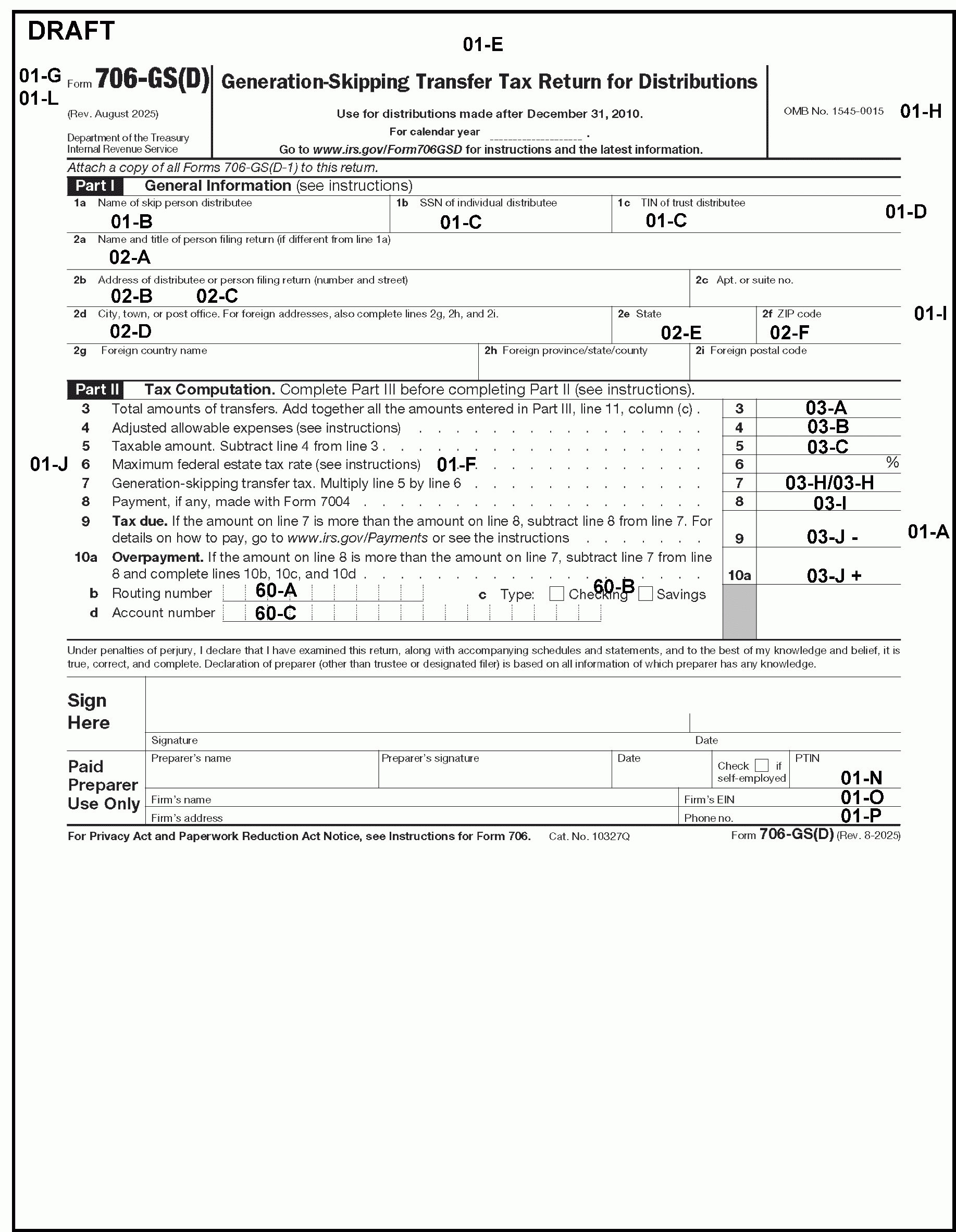
3 12 106 Estate Tax Returns Paper Correction Processing

From Death To Deadlines An Overview Of Form 706 Federal Estate
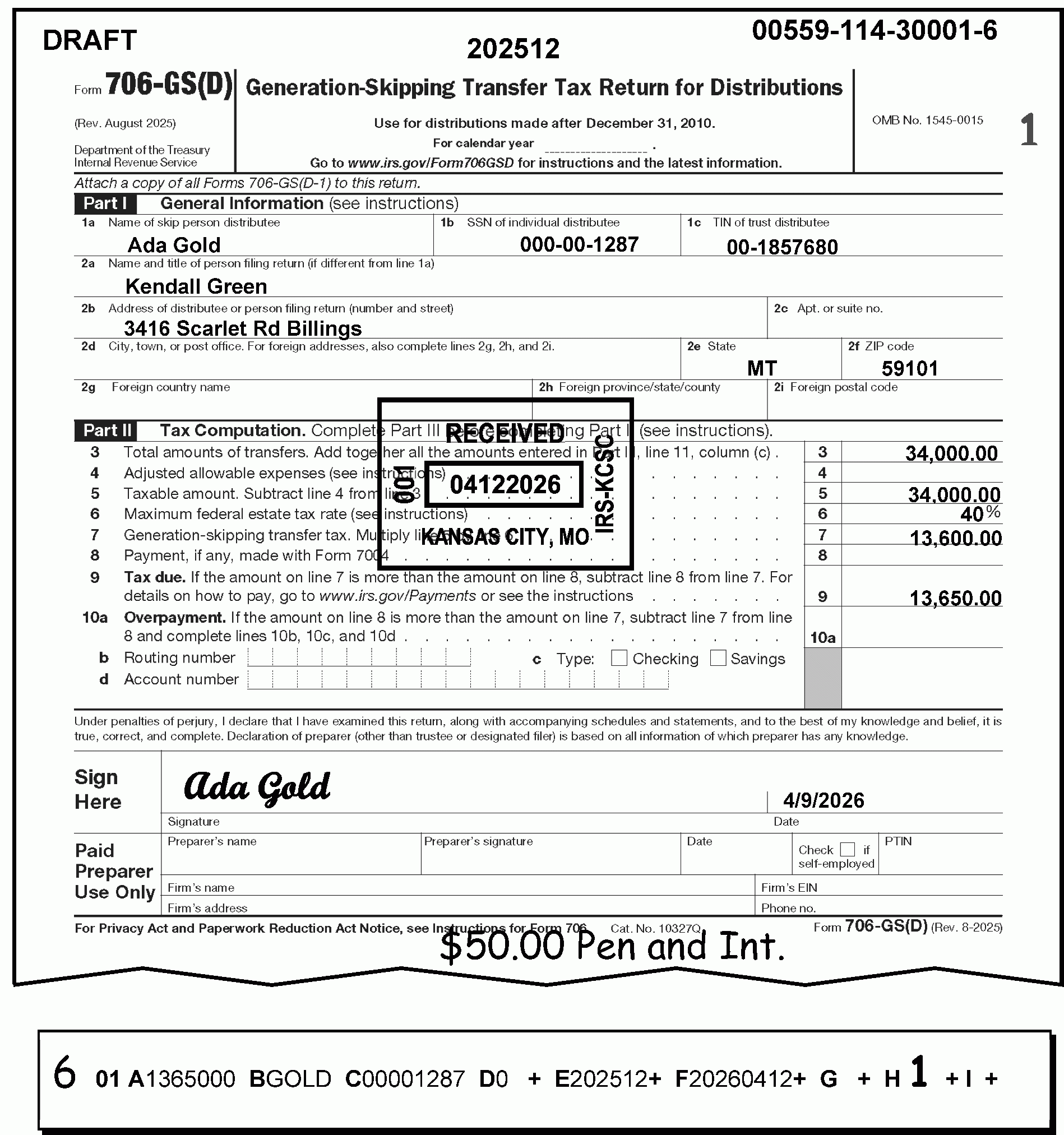
3 12 106 Estate Tax Returns Paper Correction Processing
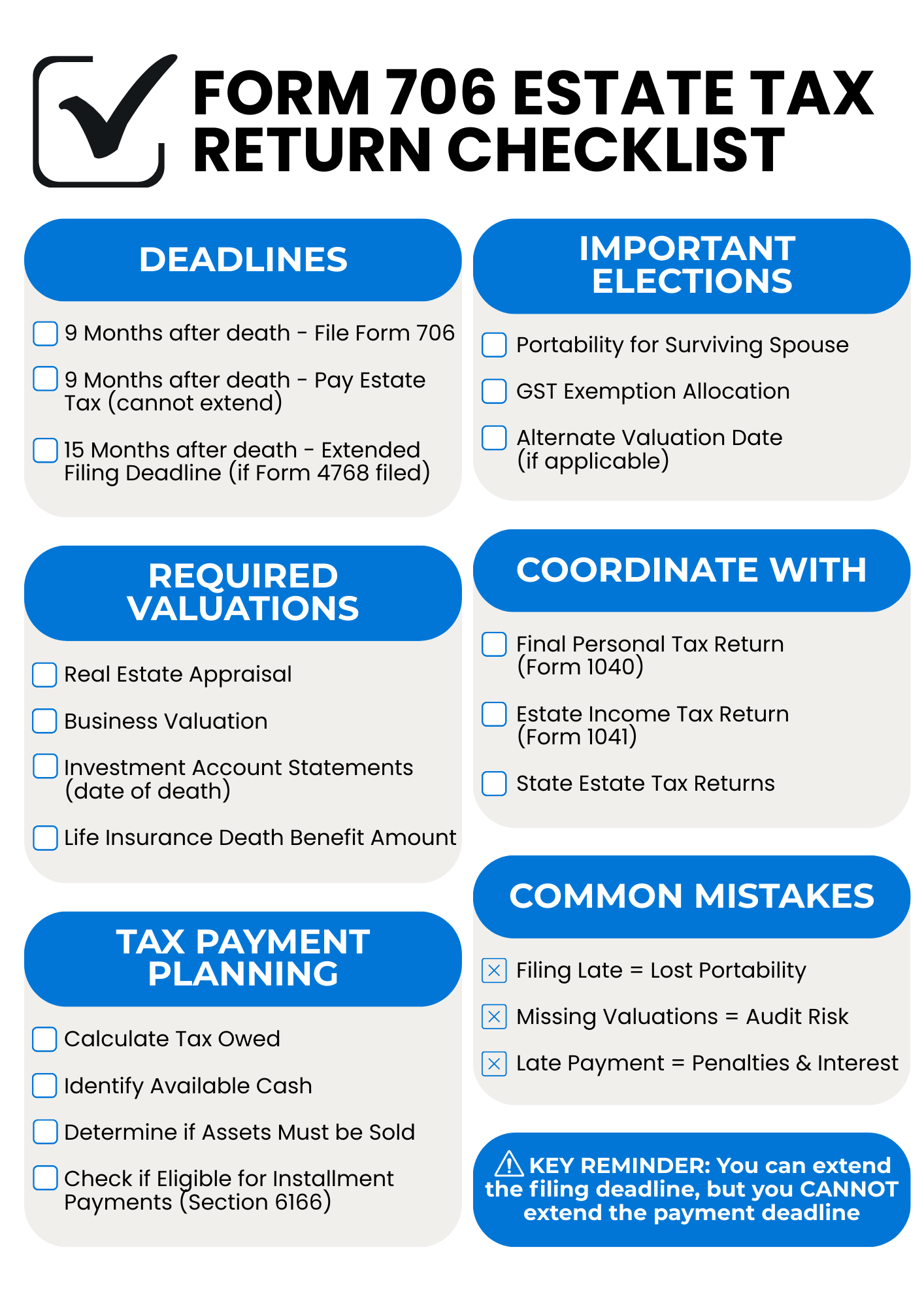
From Death To Deadlines An Overview Of Form 706 Federal Estate
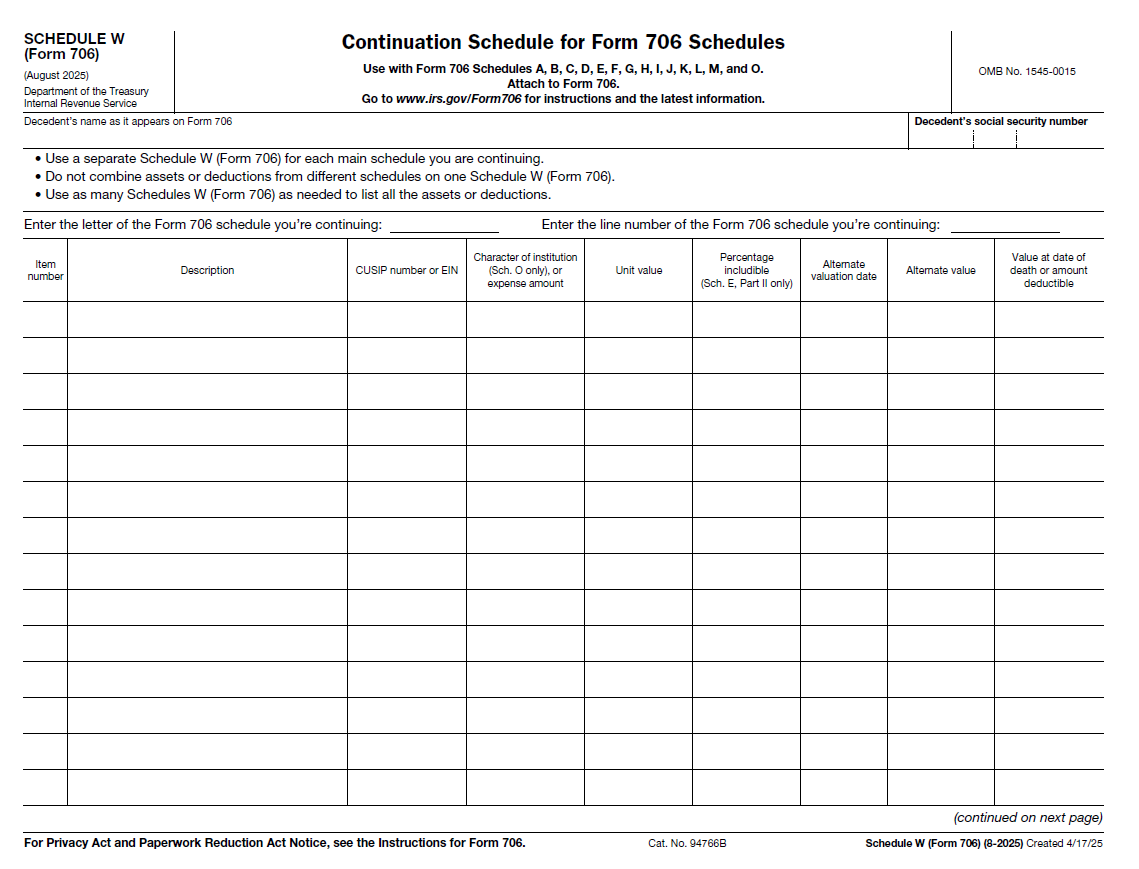
2025 Changes To IRS Form 706 By Griffin Bridgers